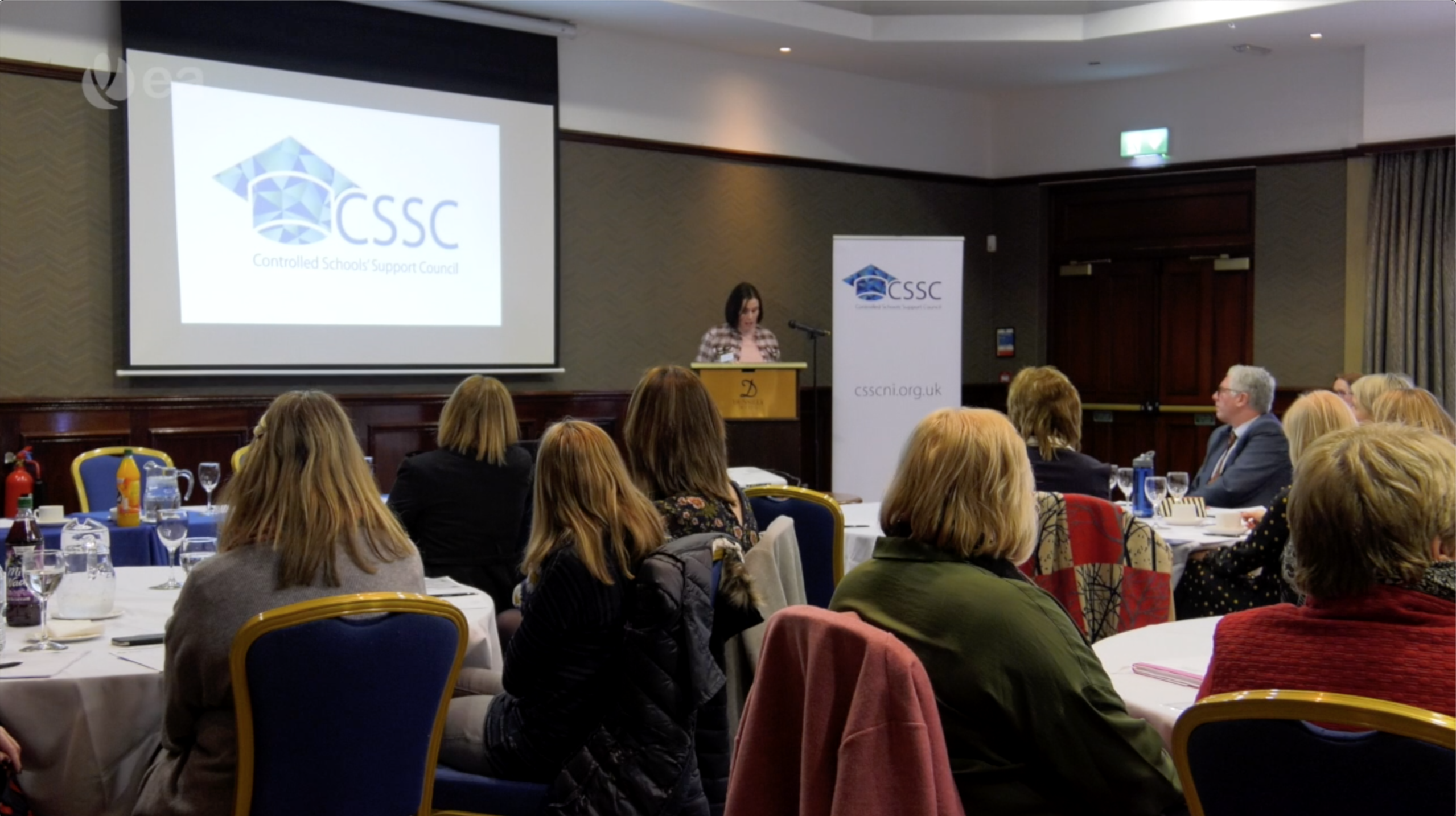
01 Governor Support
Introduction to the Governor Support Training Video series.
02 Child Protection
In this programme we will introduce you to Child Protection and Safeguarding for schools and outline your responsibilities as a Governor.
03 Every School a Good School
This programme provides an overview of the Department of Education’s Every School a Good School policy for school improvement and explores the key elements of a good school as defined in the policy. It then looks at the roles and responsibilities of governors in relation to school improvement and details the important role which governors have for self-evaluation. The programme ends with sources of further guidance.
04 Induction
This programme describes the educational context of governance in Northern Ireland including the educational organisations. It outlines the roles and responsibilities of governors and what makes an effective Board of Governors. The key characteristics of a good school are identified in the context of the Department of Education’s Every School a Good School policy and the governor’s role in school improvement. The programme ends with sources of further guidance.
05 School Finances
This programme provides an overview of how schools are funded. It examines the roles and responsibilities of governors for planning and monitoring expenditure, including the importance of a three year financial plan aligned to the school development plan and the role of a finance committee. This programme with sources of further guidance.
06 School Development Planning
This programme outlines the characteristics of an effective school development plan for planning, managing and evaluating many aspects of school life. It identifies the roles and responsibilities of governors for the school development plan and for ensuring that the school development planning process is on-going to support school improvement. The school development planning cycle is broken down into its key stages. The programme ends with sources of further guidance.
07 Using Data
This programme provides an overview of how schools use data in the self-evaluation process which is central to the Every School a Good School policy. It identifies examples of the different types of data which schools use to measure progress, including the important role of benchmarking data. It then looks at the roles and responsibilities of governors in relation to the use of data in the school improvement process. The programme ends with sources of further guidance.
08 21st Century Governance
The Department of Education, in partnership with the education and library boards, recently held a conference for school governors in each of the ELB Board areas. The conference held at the Antrim Resource Centre for the North Eastern Education & Library Board was recorded and is representative of each of the conferences.
09 Becoming a School Governor
In this short video find out more about the role of a school governor and how you can make a difference.
10 CSE Program 1
This programme aims to introduce School Governors to the important subject of child sexual exploitation, or CSE as it is more commonly known, and provide them with an understanding of its nature and prevalence in N.I.
11 CSE Program 2
This programme aims to inform Governors of the comments and recommendations directed at education from some key reports on CSE in Northern Ireland. It will advise of actions taken and planned in response to these and suggest ways in which Governors as part of their safeguarding role can ensure that their school is responding effectively to the issue.